Signs It's Time to Upgrade Your Bottle Warmer and Sterilizer
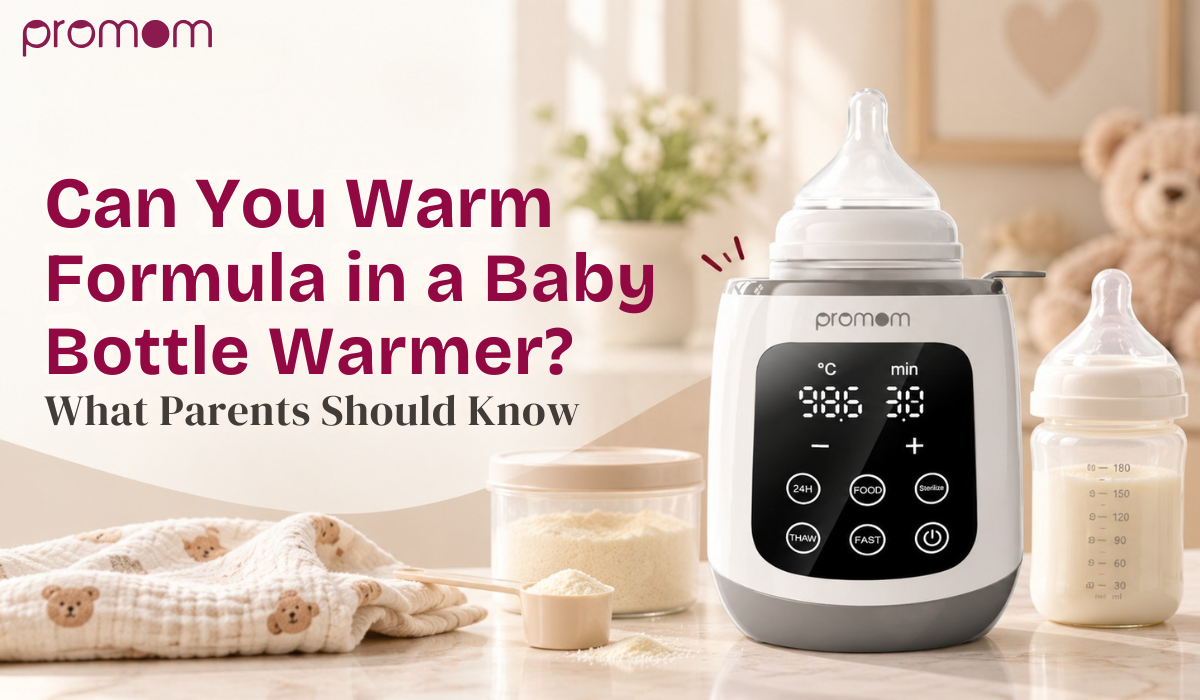
Baby feeding supplies are critical for parents on a daily basis. One of the most practical and time-saving devices among them is a bottle warmer and sterilizer. It keeps feeding equipment safe and hygienic. But, as with any appliance, it will not last forever. As time goes on, its performance and features can become outdated, and its efficiency suffers from wear and tear.
If you've been using the same bottle warmer and sterilizer for years, it may be time to consider an upgrade. New models are available with quicker warm-up times, better sterilization, increased safety, and convenience. The following are indicators that it's time to start looking for a replacement unit.
1. It Takes Longer to Warm Bottles
A slower performance is one of the earliest indications of an aging bottle warmer and sterilizer. The heating element may be worn out if it suddenly starts to take much longer to warm up a bottle.
When your baby is hungry and is crying late at night, it may be frustrating when they still don't warm up. The newer models are made to evenly and rapidly heat milk without providing hot spots.
2. Sterilization Is No Longer Reliable
Sterilizing is important to keep babies safe from the harmful bacteria and germs. Any appliance that does not generate steam as well as it used to or leaves bottles less than clean may be less effective.
A modern bottle warmer and sterilizer delivers steam sterilization to maintain the sterility of bottles, nipples, and other accessories after each use.
3. Visible Damage or Wear
An initial assessment of your bottle warmer and sterilizer can determine if they are still safe for use. Inspect for cracks in the water chamber, rust, discoloration, broken buttons, loose lids/handles, water leaks, and melted plastic.
Although these issues may not seem like a problem at first, they can hamper heating performance and sterilizing efficiency. More important, when parts are damaged, they can become electrical or burn hazards. When your appliance is worn out, it is the best option to replace it for your baby.
4. Mineral Deposits Keep Reoccurring
Hard water deposits naturally accumulate over time in a bottle warmer/sterilizer. These deposits are removed during regular descaling; however, constant deposits can cause lower heating efficiency and longer warm-up times.
When the appliance is cleaned often, but performance continues to drop, the heating element is probably wearing out. Upgrading to a newer model can result in quicker heating times, better performance, and long-term maintenance for day-to-day feeding rather than constant maintenance.
5. Uneven Heating
Even warming is necessary to maintain nutrients in breast milk or formula and avoid unsafe "hot spots." In bottle warmers and bottle sterilizers, if the bottle is not being heated evenly (some parts are too hot and some are still cold), your bottle warmer and sterilizer may have broken.
Feeding may be less safe and convenient because of thermal variations. Modern bottle warmers feature advanced temperature control systems, which provide gentle and uniform heating of milk, allowing parents to feed with confidence that the milk is being warmed safely.
6. Safety Features Are Missing
A lot of older bottle warmers were made prior to the time that more sophisticated safety features were commonplace. A bottle warmer and sterilizer with no automatic shut-off, overheat protection, dry-boil prevention, temperature monitoring, or smart timers can be an unnecessary risk.
These new safety features prevent overheating, minimize accidents, and safeguard your baby's feeding equipment. Upgrading to a newer model provides greater peace of mind while making bottle preparation safer, easier, and more reliable every day.
7. Doesn't fit new bottles
Baby feeding products are continually changing, and older feeding appliances might not accommodate newer bottle designs. If it doesn't fit wide-neck bottles, anti-colic bottles, breast milk storage bags, or breast pump accessories, your bottle warmer and sterilizer may no longer be meeting your family's needs.
Modern models have been created with numerous features like adjustable compartments and wider compatibility to make them a great option for different feeding products. An upgrade will provide more convenience and flexibility as a baby's eating habits evolve over time.
8. Cleaning Has Become Difficult
Cleaning the bottle warmer and sterilizer should be as easy and fast as possible. If certain stains, odors, or milk residue persists despite cleaning the appliance regularly, the appliance may be worn out internally. As units age, surfaces may become harder to clean, and build-up may occur in hard-to-reach areas, which can impact hygiene.
Newer models boast removable components, smoother interiors, and better designs that make cleaning and maintenance easier. Upgrading can save time and help maintain the cleanliness and hygiene of your baby's feeding equipment on a daily basis.
Final Thoughts
A bottle warmer and sterilizer shouldn't be a source of stress or uncertainty; it's an everyday essential. If it takes longer to heat up, the sterilizing process isn't as strong, there is physical damage, or it is outdated, it is definitely a sign that you need an upgrade.
A newer model will provide better hygiene, safer bottle preparation, and improved convenience for each feeding. Because investing in reliable baby care equipment helps to safeguard your little one and make parenting a little easier. Discover Promom's line of high-quality baby feeding products that warm up quickly, sterilize effectively, and provide peace of mind. Select Promom to make each feeding safer, easier, and more convenient.
FAQs
1) What is the typical lifespan of a bottle warmer and sterilizer?
Most units have a lifespan of 3-5 years with proper maintenance, depending on the usage frequency, water quality, and the general quality of the product.
2) How regularly do I need to descale my bottle warmer and sterilizer?
Descale it once every 2-4 weeks or as often as required in hard water. For keeping the heating efficiency and prolonging the life span of the appliance, it is recommended to descale it regularly.
3. Does an old bottle warmer affect a mother's milk?
Yes. It may destroy valuable nutrients and cause hot spots if it overheats or warms the milk unevenly. A new appliance is able to control the temperature more accurately.
4. Is it safe to use a damaged bottle warmer and sterilizer?
No. Cracks, leaks, broken buttons, or faulty heating elements can make the sterilization less effective and can create an electrical or burn hazard. Make sure that damaged units are replaced as soon as possible.
5. What are the benefits of getting a modern bottle warmer and sterilizer?
Modern models offer quicker warm-up, energy efficiency, more efficient sterilization, and today's bottles and feeding accessories make feeding a much simpler task every day.