Breast Pump Buying Mistakes to Avoid Before Your Baby Arrives
One of the most critical things you have to decide on when preparing for your baby is the breast pump you will use. Many parents purchase the first model that they see or one that is merely the cheapest. Unfortunately, that can cause discomfort, not enough milk getting out, and stress later in the postpartum.
The right breast pump will fit your lifestyle, your feeding goals, your comfort level, and your daily schedule. Avoiding some common pitfalls in the buying process is likely to be helpful for a smoother breastfeeding experience. Here are the most common issues to not make before you take your baby home:
1. Buying a Pump Without Understanding Your Needs
No one size fits all when it comes to breastfeeding. Some moms pump many times throughout the day; some only pump occasionally. When you are considering purchasing a breast pump, consider your lifestyle. Do you plan to go back to work after maternity leave? Have a lot of travel or need a hands-free device? If you select the right pump for your lifestyle, breastfeeding will be more comfortable, convenient, and less stressful once your baby's born.
2. Opting for price rather than quality
While some parents make an effort to save money on baby products, purchasing the lowest value pump may not be the best idea. Low-cost models might not have the same suction power and number of settings, or they might not be as comfortable to wear. A high-quality breast pump will perform better, be more comfortable, and can last for a lot longer. It is also more effective in releasing milk and makes pumping easier. The smart investment now can help you save time, effort, and money later on.
3. Ignoring Flange Size
The most forgotten aspect when purchasing a breast pump is the size of the flange. Wearing the wrong size can lead to pain, soreness, irritation of the nipples, and even a decrease in milk production. Good-fitting flanges will make expressing milk more comfortable and help to make pumping more productive. Look for a flange size guide from the brand and determine if there are flange size changes or inserts for it before purchasing. The right size can make all the difference in your breastfeeding experience as a whole.
4. Not Considering Portability
Portability is important when intending to pump outside the house. If the breast pump is lightweight and compact, it will be easier to fit into your diaper bag or handbag. Pumping is easier when on the go, at work, or running errands thanks to rechargeable batteries, USB charging, and quiet operation. When you decide on a portable pump, you can continue breastfeeding without any restrictions or discomfort no matter where you go.
5. Forgetting About Cleaning and Sterilization
After use, a breast pump should be washed, so it's essential that it's easy to wash. Fewer parts typically equates to faster cleaning and assembly. Determine if the parts can be put in the dishwasher and if the parts will fit in a sterilizer. Cleaning is easy, so keeping things clean is a key factor in proper hygiene and valuable time in busy newborn days. An easy-to-clean pump also relieves stress and helps to ensure your baby is safe from germs that can cause illness.
6. Buying Before Comparing Pump Types
Breast pumps come in a variety of styles, and it is important to compare between different types before purchasing. Manual pumps do not require a lot of maintenance, are easy to transport, and are suitable for occasional use. There are single electric pumps and double electric pumps that will express milk from both breasts simultaneously, which saves time. Knowing the differences will help you to decide on which pump best suits your schedule, budget, and breastfeeding goals.
7. Overlooking Noise Level
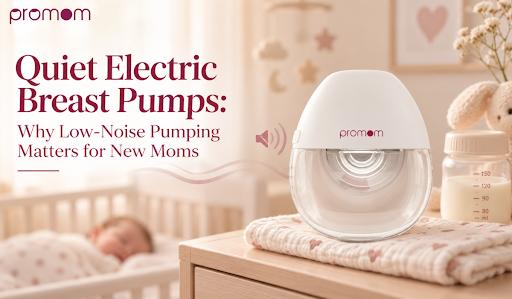
It may not matter until you actually start pumping, but sound is a thing to consider when choosing a breast pump. A loud pump may cause your baby to wake while you are pumping or cause discomfort when pumping at work or in public. Many of today's pumps come with quiet motors but excellent suction power. Do some research into customer reviews regarding noise levels before buying. One of the major advantages of having a quieter pump is to give privacy and make the pumping sessions more relaxed and comfortable.
8. Ignoring Comfort Features
Comfort is key as you'll be using your breast pump a lot of times each week. Adjustable suction levels, massage stimulation mode, soft silicone cushions, and varying pumping settings can enhance the experience of sessions. Some pumps even have a memory which will store your favorite settings for convenience. If you select a pump that has extras to make it more comfortable for you, you will likely be able to improve your milk flow, thus making your breastfeeding experience easier and more enjoyable every day.
Final Thoughts
It doesn't have to be overwhelming to purchase a breast pump before your baby is born. By steering clear of these frequent errors, you can select a pump that aligns with your lifestyle, enables comfortable milk extraction, and enhances your breastfeeding journey. Look beyond price and looks and think about comfort, portability, cleaning,memory, and longevity. A few strategies and tips now can make the first few weeks with your baby a little less stressful.
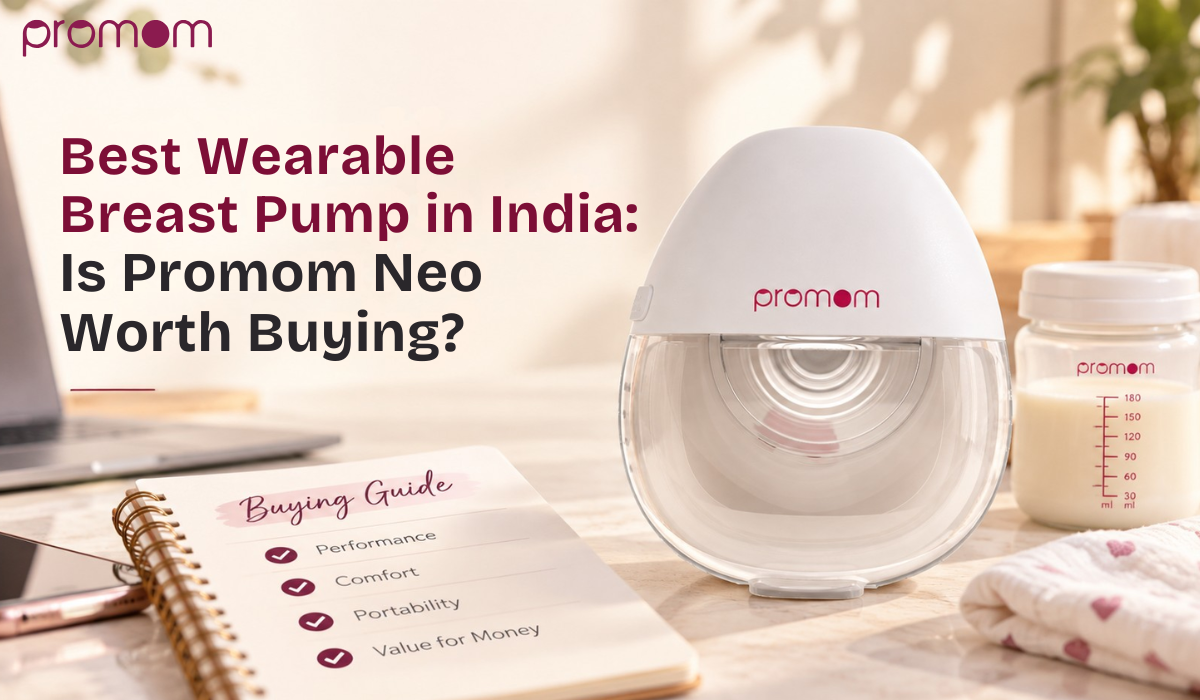
Seeking a breast pump that will be comfortable, efficient, and appealing for today's parents? Promom has carefully crafted breastfeeding supplies to make pumping at home, at work, or on the go easier. Discover the quality breastfeeding products offered by Promom and feel confident feeding your baby with ease.
FAQs
1. When is the right time to purchase a breast pump before giving birth?
Most parents buy a breast pump in the third trimester (28-36 weeks) so that they have time to become familiar with its functions before the baby is born.
2. Which breast pump is better, manual or electric?
Manual pumps are useful for pumping once in a while, and electric pumps are more efficient for frequent or daily pumping and save time.
3. How do I know if the flange size is correct?
A proper flange should fit without being too big, fit without too much rubbing, and help the mother to express the milk without damaging her nipples or causing pain when expressing.
4. How often should I clean my breast pump?
After each use, clean all parts of the pump that come in contact with breast milk and regularly sterilize all parts as per the manufacturer's cleaning instructions.
5. Is it possible to use a breast pump with future babies?
Yes. Generally, if the pump is still in good working order and is a closed system, it can be used for future babies with the replacement of worn parts.