Complete Breast Milk Suction Pump Guide for First-Time Parents (2026)
Parenthood is an exciting time, but it also brings with it numerous new responsibilities. The most difficult aspect of breastfeeding is making sure the baby gets enough milk even if Mom is not home with them or she is back at work. That's where a breast milk suction pump comes in handy as a parenting device.
If you are planning to breastfeed exclusively, or want to build a milk stash, or just want flexibility, you need to know how a breast milk suction pump works. This guide will tell you everything first-time parents need to know before selecting and using one in 2026.
Why Do First-Time Parents Need One?
Pumps are not just for working mamas; they can be beneficial for nearly all breastfeeding experiences. Let's take a look at some of the most frequent reasons to use one:
-
Stock up on milk for your freezer.
-
Relieve breast engorgement.
-
Make an effort to keep breastfeeding after work resumes.
-
Accept partners'/carers' assistance with feeding.
-
Help babies that have trouble latching.
-
Take care to sustain milk supply while separating.
Types of Breast Pumps
The most important thing you have to consider is selecting the appropriate pump based on your lifestyle and how often you need to pump.
Manual Breast Pumps
Manual breast pumps are handheld and require squeezing to provide suction. These are great for moms who pump occasionally or, if traveling, want a portable pump. These pumps are lightweight, quiet, inexpensive, and convenient to use and clean.
They are, however, much less convenient for regular milk expression and will need constant hand powering, which is generally slower than electric models.
Electric Breast Pumps
Electric breast pumps, which are battery-powered or plug in, allow for automatic suction, and expressed milk is quicker. They are perfect for working mamas, exclusive pumpers, or parents that have to pump multiple times per day.
Most of the models have adjustable suctions and massage modes for extra comfort. While more costly than manual pumps and do need to be charged or powered, they can save time and effort.
Wearable Breast Pumps
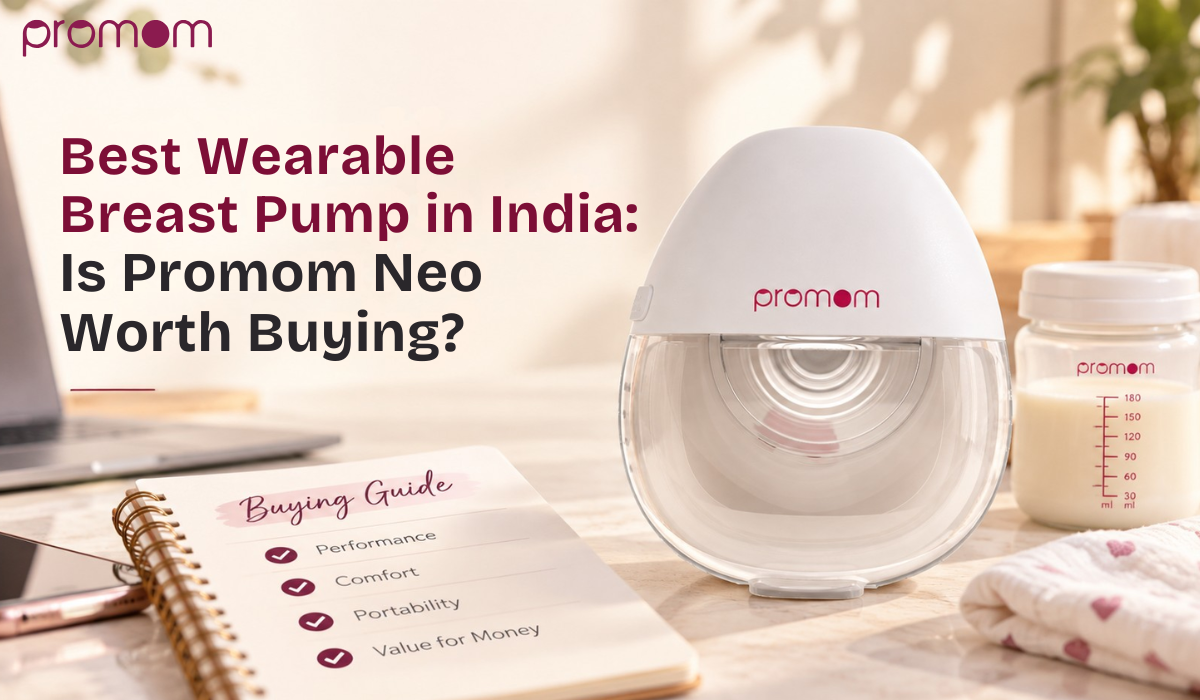
Wearable breast pumps fit inside a nursing bra to enable completely hands-free milk expression. Ideal for working moms or those who want to multitask, work, or attend to a baby while pumping.
They are compact and discreet, perfect for traveling and using in the office. Wearable pumps offer more mobility and flexibility but are generally more expensive than traditional pumps and may have a smaller milk collection capacity.
Safe Breast Milk Storage
Proper storage is essential to keep expressed breast milk safe and nutritious for your baby. The guidelines for how long pumped milk will keep are: Up to 4 hours at room temperature, up to 4 days in the refrigerator, and up to 6 months in the freezer (depending on freezer type).
Always store milk in clean, BPA-free milk bags or containers, and label each container with the date the milk was pumped; use the oldest milk first to reduce waste and ensure milk is kept fresh.
Cleaning Your Pump
Proper cleaning of the breast pump is essential for ensuring that the milk expressed is clean from harmful bacteria and that the baby is protected from them. Clean and disinfect all removable parts after each pumping session that comes in contact with breast milk.
Wash them clean with warm, soapy water, rinse them, and let them air dry on a clean drying rack. Dispose of pump parts regularly as directed by the manufacturer, and do not store damp parts, as they will promote the growth of bacteria or mold.
Final Thoughts
A breast milk suction pump is a good investment and a bit more than a convenience in breastfeeding. A proper pump can assist in preserving milk production, alleviate stress, and provide your baby with breast milk benefits in your absence.
Whether breastfeeding or returning to work, the right breast milk suction pump can provide flexibility and confidence in those first valuable months. Discover the newest breastfeeding essentials at Promom and discover smart and comfortable solutions that will assist you during each level of your parenting journey.
FAQs
1. How often should I use a breast milk suction pump?
Most moms will pump every 2-3 hours to keep the milk flowing. Your schedule depends on your baby's feeding routine, breastfeeding goals, and advice from your healthcare professional.
2. Does suckling at a breast milk suction pump hurt?
No. If it fits correctly, there should be a slight sucking sensation. Pain typically is a sign of the wrong flange size, too much suction, or poor positioning during pumping.
3. Is it safe to pump breast milk and store it?
Yes. Keep expressed milk in clean, sterilized containers. Always label containers with the pumping date and refrigerate or freeze as soon as possible or hold them as per recommendations.
4. How do I clean my breast pump?
For maximum hygiene, wash removable parts with warm soapy water after each use, then rinse and air dry thoroughly and sterilize regularly as per the instructions of the manufacturer.
5. Which breast milk suction pump is best for first-time parents?
Electric pumps are better for frequent use, and manual pumps can be used from time to time. Select based on comfort, portability, budget, pumping frequency, and your breastfeeding lifestyle.