Risks of Overheating Breast Milk: How Advanced Bottle Warmers Prevent It?
One of the most exquisitely sensitive and most nutritious foods for infants is breast milk. But wrong warming techniques can cause a loss of much of its nutritional value and even be harmful to babies. A common parent error is overheating breast milk.
A modern bottle warmer and sterilizing system is very useful here, as it allows for safe and accurate feeding schedules. This article examines the dangers of overheating breast milk and how new bottle warming technology can help keep your baby safe.
Why Is Overheating Breast Milk Dangerous?
Breast milk is alive and provides enzymes, antibodies, and proteins to help maintain a baby's immune system and development. These components start to degrade when exposed to high temperatures.
1. Loss of Essential Nutrients
The heat can cause the loss of important nutrients such as lipase and immunoglobulin. They are important for digestion and immunity. Breast milk's overall nutritional value is lowered by overheating.
2. Reduced Immune Protection
Breast milk also has antibodies to protect your baby from infections. Overheating the milk can render these protective factors useless and increase the risk of babies becoming ill.
3. Risk of Burns
When milk is overheated, hot spots can result, which are not uniform across the milk. This can burn the baby's mouth or throat even if the bottle isn't hot to the touch.
4. Changes in Taste and Smell
Heat can change the "natural" taste and smell of breast milk. This can cause the baby to reject feeding, particularly if the baby is sensitive.
5. Fat Separation and Nutrient Imbalance
When breast milk is overheated, it causes the fat to separate, which makes it less balanced and difficult for babies to digest.
Common Parenting Mistakes when Warming Milk
Parents often overheat breast milk by using the common methods.
Using Microwave Heating
Milk heated in the microwave can be hot in certain areas and cause burns in the baby's mouth. They also destroy important nutrients in breast milk, which makes it less beneficial to the infant.
Overheating the Milk
Overcooking milk or cooking it at high heat will inactivate the higher enzymes and antibodies. Feeding refusal also may occur when the milk is too hot for the baby to tolerate and affects the natural taste.
Not Checking Temperature Properly
Many parents only use touch, which can be misleading. Milk can feel warm on the outside but too hot on the inside, causing burns.
Repeatedly heating the same milk
Leftover milk warmed up can lead to more bacteria and decrease the nutritional value. Fresh milk is always safer to make if possible.
Ignoring Proper Equipment
Unsafe and/or old techniques in place of a bottle warmer and bottle sterilizer may result in uneven heating and hygiene problems that impact infant health.
How Do Advanced Bottle Warmers Prevent Overheating?
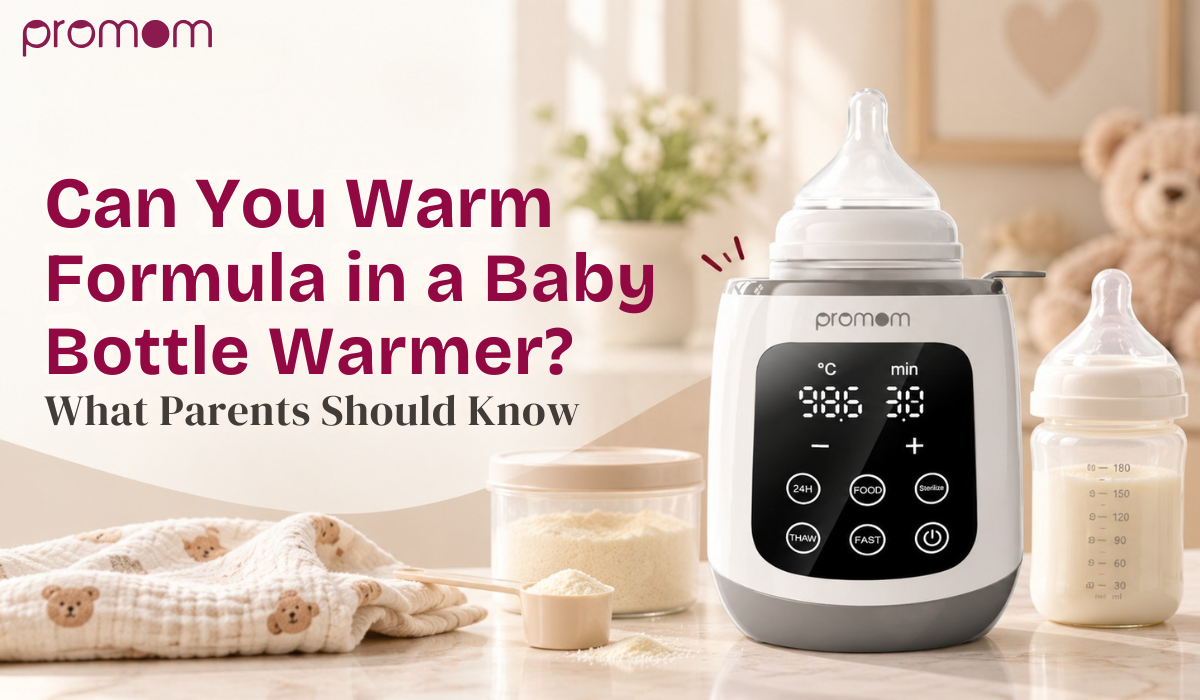
Feeding is safer and easier with modern technology. A bottle warmer and sterilizer will heat the milk gently and evenly, keeping its nutrients intact and ensuring safe feeding temperatures.
1. Controlled Temperature Settings
The advanced warmers let Dad and/or Mom choose exact temperatures, ensuring that milk is warmed to body heat (c. 37°C), which is ideal for the baby.
2. Even Heat Distribution
Bottle warmers are different from microwaves or boiling water heaters in that they can heat evenly and remove hot spots.
3. Automatic Shut-Off Feature
Most of the modern devices have an auto shut-off mechanism to keep the device from overheating once it reaches the optimum temperature.
4. Sterilization Function
A bottle warmer and sterilizer may additionally serve as a sterilizing unit, eliminating dangerous germs from bottles, nipples, and feeding devices, guaranteeing complete cleanliness.
5. Preserves Nutritional Integrity
These units keep breast milk from exposure to high temperatures, which can destroy beneficial nutrients, antibodies, and enzymes.
Why Does Precision Matter in Infant Feeding?
Even a slight deviation in temperatures can impact the comfort, digestion, and feeding of infants. Milk that is too hot will burn sensitive tissues, and milk that is too cold may lead to discomfort and rejection. That is why accuracy is not a luxury but a necessity when caring for infants.
A bottle warmer and sterilizer makes sure the milk is heated evenly and consistently to the right body temperature, eliminating guesswork. Designed to keep key nutrients intact and to avoid hot spots and overheating.
Conclusion
Promom Breast milk can be unsafe if it is overheated, may be hard to feed, and could contain fewer nutrients. The traditional heating methods are not able to accurately heat the infant as necessary. Therefore, modern parents put more emphasis than ever on bottle warmer and bottle sterilizer for safe, efficient and hygienic feeding.
They help to ensure the right temperature and proper sterilization, which helps to keep breast milk nutritious and ensures your baby's health. Buying the proper feeding technology is not just a convenience; it is a crucial part of safe parenting.
FAQs
1. Why is overheating breast milk considered harmful?
Breast milk that has been overheated will lose some of its crucial components such as antibodies, enzymes, and good fats. It can also lead to uneven hot spots that can burn a baby's mouth and diminish the breast milk's immune-enhancing qualities.
2. How does a bottle warmer and sterilizer prevent overheating?
A bottle warmer/sterilizer has controlled temperature settings and gentle heating systems such as steam or water baths. This will help milk to be heated uniformly with no risk of destroying nutrients at an unsafe feeding temperature.
3. Can breast milk be heated safely in the microwave?
Breast milk is not recommended to be heated in the microwave due to hot spots. In addition to burning the baby, these hot spots also destroy key nutrients and immune system enhancers in the milk.
4. What is the ideal temperature for warming breast milk?
Warming breast milk is best done at a temperature near to body temp of 37°C. This makes the milk easy for the baby to drink and retains the natural nutritional and immune system of the milk.
5. Can a bottle warmer and sterilizer also clean bottles?
Yes, the most advanced bottle warmer and sterilizer device actually has a sterilization function. Effectively eliminates bacteria and germs from bottles, nipples, and accessories to create a clean feeding environment for babies.