COD On Select Items | Know More

Milk Bottle Sterilizer vs Boiling Water: Which Method Is Better?
Keeping your baby’s feeding bottles clean is one of the most important parts of newborn care. Babies have delicate immune systems, and even small amounts of bacteria can cause infections, stomach issues, or discomfort. That is why sterilising milk bottles is strongly recommended, especially during the first year.
Parents often face a common question: should they use a milk bottle sterilizer or stick to the traditional boiling water method? Both methods aim to kill germs, but they differ in safety, ease, and long-term use. Let’s compare them in detail to help you make the right choice.
Why Should Baby Bottles Be Sterilized?
Milk, be it breast milk or formula, offers an ideal breeding place for bacteria. Washing bottles in detergent only cleanses them, leaving no traces, but not harmful microbes, which is not enough.
Sterilization kills bacteria, viruses, and fungi that regular cleaning may fail to kill, and your baby is guarded against diarrhea, vomiting, thrush, and other infections. Medical professionals may advise sterilization of infant feeding devices, particularly for infants less than 6 months old, preemies, or vulnerable babies.
Safety Comparison
A milk bottle sterilizer is at an advantage when it comes to safety. This is created to ensure that the temperature and time required to achieve sterilization remain in place. It has lower chances of burning bottles or destruction of plastic components.
Water boiling, in its turn, requires continuous attention. Long bottles may melt or crack, particularly the plastic ones. As well, it is dangerous to get burns or spills when using hot water, which may not be safe in crowded homes.
Ease of Use and Convenience
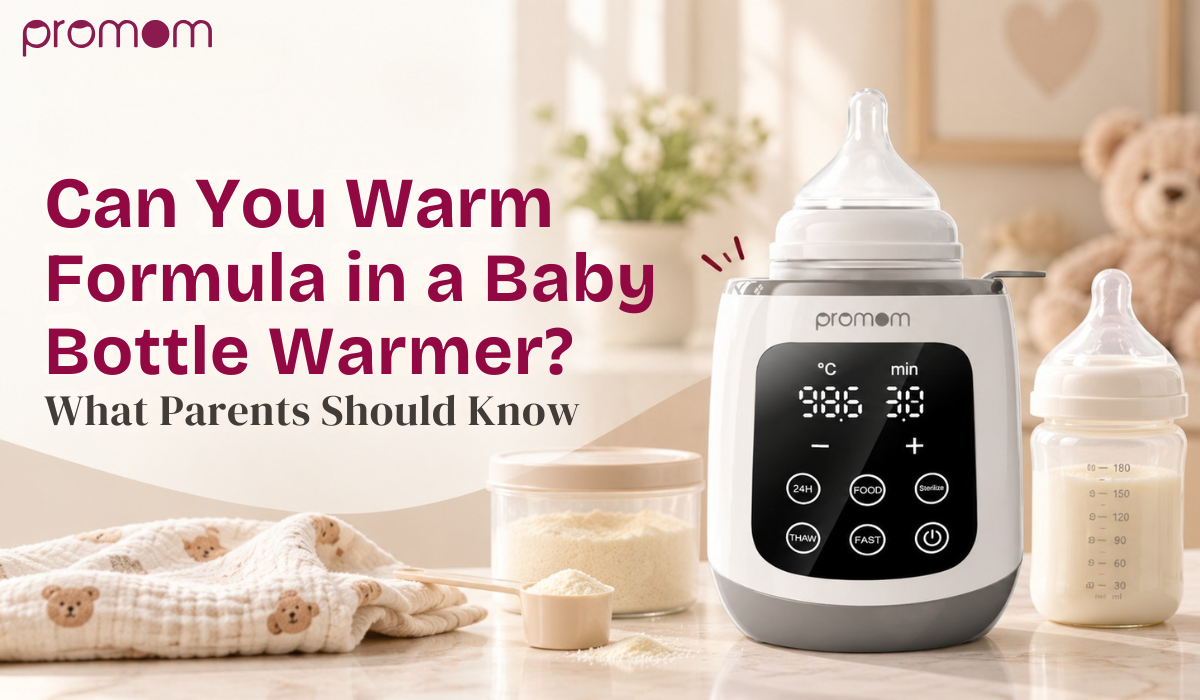
Using a sterilizer is simple. All you have to do is put the bottles in, pour some water in (where needed), press a button, and wait. Several sterilizers turn off automatically, thereby saving time and energy. A milk bottle sterilizer comes particularly in handy during night feeds and hectic mornings.
There are more steps involved in boiling water. You should not leave the pot unattended; time management and proper drying of the bottles after boiling are needed. This is exhausting, and it may get worse when parents are new at it and are already sleep deprived.
Time and Efficiency
Sterilizers are much faster. The majority of electric models take 5 to 10 minutes to complete the cycle and are able to preserve bottles that are sterile for several hours, provided the lid is not opened. This makes the feeding preparation faster and stress-free.
The time of boiling water is greater. It takes time to boil the water and sterilize and cool the bottles. This is not the best way to do it when your baby is crying and you have to feed him immediately.
Cost and Long-Term Value
At first, boiling water may appear to be less expensive, as it does not need any equipment. But as time passes, it can consume more gas or more electricity and damage bottles quicker.
A milk bottle sterilizer is a one-time purchase. Although it is more expensive initially, it saves time, brings less wear on the bottles, and provides reliable results. It becomes more economical in the long term for many parents.
Hygiene and Consistency
Sterilizers give the same outcomes each time. When used properly, they are expected to kill 99.9 percent of germs. A milk bottle sterilizer is a sure and sterile way of providing good hygiene.
When using boiling water, it is a matter of time and water temperature. When it is improperly done, not all germs will be eliminated, making it less effective.
Boiling Water Method—Traditional but Effective?
The boiling water method involves placing bottles, nipples, and accessories in a large pot, covering them with water, and boiling for about 10 minutes. This approach uses high heat to kill many microbes.
Pros of Boiling Water
-
No special equipment needed—just a pot and stove.
-
Familiar and low-tech solution for occasional sterilization.
Cons of Boiling Water
-
Results can be inconsistent because temperature and time can vary at home.
-
Some studies found that 54% of bottles self-reported as “sterilized” through boiling still showed bacterial contamination (more than 5 colonies/mL) afterward.
-
Handling hot pots and water increases risks of burns or spills.
-
Longer overall process, which may be inconvenient during frequent night feeds.
In a large older survey, 98.1% of bottles and 90.6% of teats were recorded as satisfactorily sterilized in a modern community compared to much lower rates decades earlier—showing improvements in hygiene practices over time.
Final Thoughts
Safety, time, and ease are the things to consider when making a decision between boiling water and a sterilizer. Although boiling water is the old-fashioned way, modern parents tend to use the comforts and efficiency of a milk bottle sterilizer. It makes caring about a baby easier and makes the process of maintaining hygiene easier.
At last, when in need of a sterilizer that would stand the test of time, consider a good quality one produced by Promom. Promo products are convenient and easy to use, clean and stress-free, and designed in a way that is baby-friendly.