How to Use a Breast Pump Correctly: Step-by-Step Guide for New Moms
The process of becoming a new mother is a wonderful experience, it is also accompanied by lots of learning. Lack of knowledge on how to use a breast pump is one of the most frequent problems that new mothers face.
Be it breastfeeding, just because you find it more convenient to use a breast pump, or just because you will be back to work, knowing how to use a breast pump properly will be able to help you keep the milk flowing, prevent soreness, and feed your infant with ease.
The step-by-step instruction will guide you through all the necessary details, starting with preparation to methods of pumping and storage advice.
Step 1: Select an appropriate breast pump
Selection of the appropriate breast pump is based on the daily routine and comfort. Manual pumps are cheap, easy to operate and excel when pumping at times. Electric pumps are more efficient and quicker in their milk expression for mums that are regular pumpers.
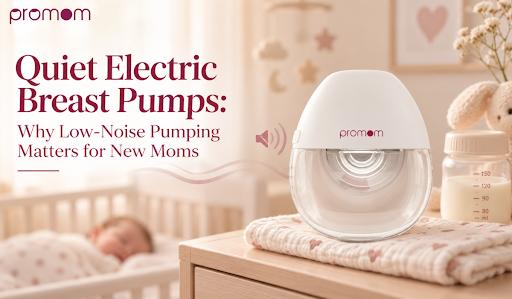
Hands-free wearable pumps give optimum convenience; you can move around and pump at the same time. Whichever you select, make sure that the pump is BPA-free, safe, comfortable and fits in your lifestyle to help you go through pumping life easier and stress-free.
Step 2: Clean and Cleanse Your Pump Parts
Wash hands and wipe down all detachable parts of the pump with warm water and baby-safe soap before each session of pumping. Sterilise necessary items such as flanges, valves and bottles at least once a day to maintain everything hygienic.
Cleaning up will help to eliminate the leftover milk, avoid bacteria development and provide your baby with safe, contamination-free milk. Regular washing is not only safe for your baby but also ensures that you keep the pump running well and productive in the long run.
Step 3: Locate a Relaxing and Peaceful Place
The extent of milk pumped is so much influenced by comfort. Find a place where you can comfortably sit with your back up and where the place is quiet and relaxing. Let-down can be increased naturally by thinking about your baby or by touching something that smells like your baby.
Calming down is also useful to enhance milk flow, and in this case, slow breathing or listening to soft music would help. When you can have a hands-free wearable pump, then you can move around or even carry out simple activities and be relaxed.
Step 4: Breast Shield Positioning
Comfortable and effective pumping is needed with the right size of breast shield (flange). The nipple must be free to move freely in the tunnel without rubbing off the sides, which will cause pain, redness, and irritation.
The good ware fits help in the better suction and better flow of milk. When the flange is either too narrow or wide, it can be uncomfortable and decrease milk production. Always examine your pump instruction manual and alter it to the optimum level of comfort and efficiency.
Step 5: Start Pumping Slowly
Start with the let-down mode that is soothing and stimulating to your breasts as a baby sucking them. After the milk begins to flow, put the camera on expression and slowly raise suction. Do not box with a high level of suction because the greater the pull, the more the milk, but this can be painful.
Pumping is supposed to be natural. Due to the flow, strive to achieve 15-20 minutes per session, or until the flow decreases. Pumping slowly and continually will take care of your nipples and will motivate your milk production.
Step 6: Keep Your Breast Milk Safe
Proper storage of breast milk will make it remain fresh and healthy for your baby. Milk may be stored at room temperature (up to 25°C) for up to four hours. It can last four days in a refrigerator.
Freeze milk for up to 6 months, preferably, and 12 months at most to store long-term. You should always write the date and the time on the storage bags or bottles so that you get to use the oldest milk first.
Step 7: Clean Your Pump after Each Use
Wash all contact parts of milk with warm water and light soap after each of the pumping sessions. Allow to dry thoroughly to stop the growth of bacteria. Wipe off the pump body with a clean cloth – do not wash the motor.
This basic cleaning protocol ensures your pump is kept hygienic and safe, your baby does not get contaminated and your breast pump lasts longer. Consistent suction and overall pumping performance are also provided by regular cleaning.
Step 8: Eat a Healthy Pumping Schedule
Routine maintenance provides a healthy supply of milk. Train your body, pumping at the same time every day. Keep hydrated, rub-a-dub-a-dub the breast, and spend some time with your baby in the skin-to-skin contact position to help let the baby down.
De-stressing is also effective in enhancing milk secretions. When using only the pump, during the first few weeks, you should have between 8 and 10 sessions per day. Routine maintenance will stabilize supply and make pumping look more comfortable.
Step 9: Pumping Troubleshooting
Increasing the pumping frequency, decreasing relaxation, using warm compresses, or changing flange size can improve the low milk supply. In case pumping can be painful, examine the incorrect fit of the flange, excessive suction, and misposition.
Backflow or leaking of milk normally occurs when pump components have not been fitted correctly or when the pump is incorrectly worn. These may be resolved by making minor alterations that make you feel comfortable, safe, and efficient when pumping.
Final Thoughts
Breast pumping will help new mums to simplify, make breastfeeding more flexible and stress-free. Proper technique and a wearable pump of good quality will enable you to easily sustain your milk supply, which helps you manage your day-to-day activities.
Need a pump that helps you on your way and does so as easily and simply as possible? Then the Promom Neo is the right solution, the trusted, safe, and modern streamlined motherhood one. Choose Promom Neo – Your Favourite Hands-Free Wearable Electric Breast Pump. Shop Now!