How Long Does a Bottle Warmer and Sterilizer Take to Work?
Preparing bottles for your baby can be like running a race with the clock ticking, particularly when your baby needs feeding or you need to get the feeding kit clean. This routine will be much easier if you have a bottle warmer and bottles can be sterilized more efficiently. So, how long does each function take, though?
This varies according to the kind of appliance, the quantity of milk or bottles, the initial temperature, and the heating or sterilizing technique. Usually, it takes about 5 to 15 minutes to warm up a bottle and about 5 to 15 minutes to steam sterilize a bottle (depending on the model).
Parents knowing when to expect a move to plan feeding times better and to make sure bottles are handled safely is important.
How Long Does a Bottle Warmer Take?
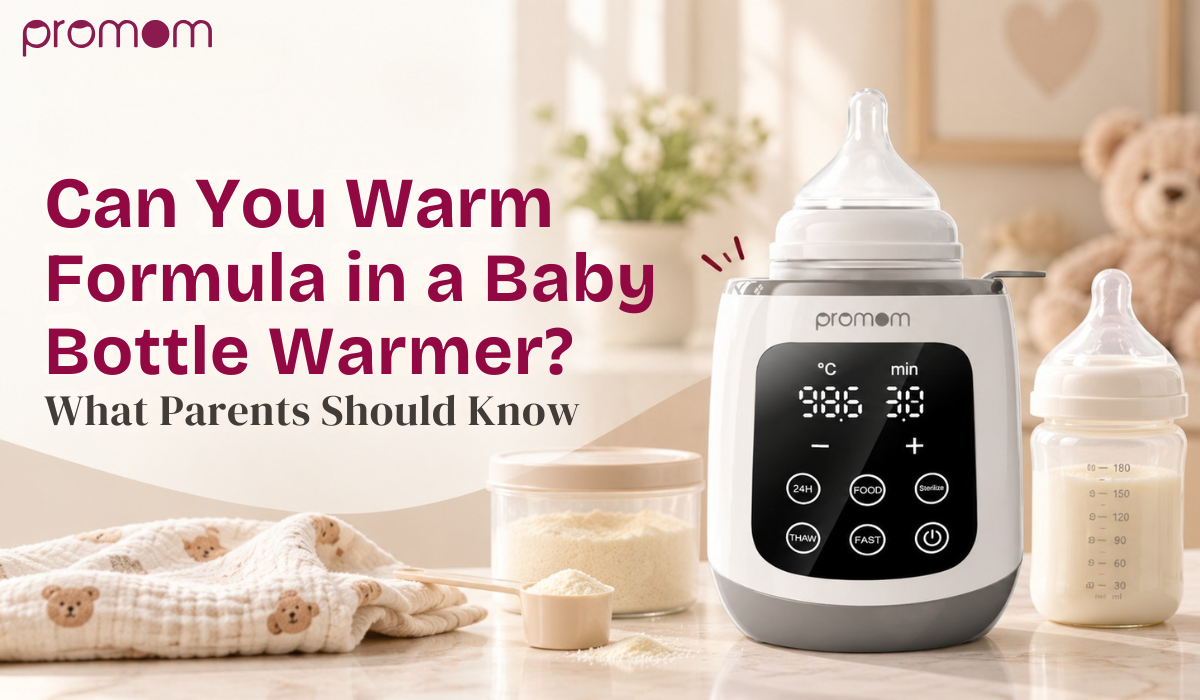
The bottle warmer is a device used to warm expressed breast milk, formula, or water to a good feeding temperature. The exact time will depend on the bottle size of milk and if the milk is refrigerated or was at room temperature or warmer.
As a general guide:
-
For milk stored at room temperature, about 3-8 minutes.
-
Nonrefrigerated milk: approximately 30 minutes
-
Smaller bottles: may need less heating time.
-
Various bottle materials heat at various rates.
Many of today's warmers heat small amounts of milk slowly and evenly in a water bath or controlled heating system. This is better than faster or unevenly heating the milk.
Always follow the manufacturer's instructions and check the milk temperature before feeding your baby.
What is the time it takes for a sterilizer to work?
While today's steam bottle sterilizers should allow relatively quick sterilization of bottles, the process generally takes longer than general warming of milk.
A steam bottle warmer and sterilizer generally requires 5 – 15 minutes to sterilize a bottle. Some models may require longer, depending on the quantity of bottles used, the amount of water consumed, and the chosen cycle.
If possible, bottles and feeding equipment should be washed thoroughly before being put in the sterilizer. Sterilization is not necessarily "the same as washing.
What Affects Bottle-Warming Time?
The rate of a bottle heating may depend on several factors.
1. Starting Temperature
Milk from refrigerator temperature will typically take longer to warm up than milk at room temperature.
2. Amount of Milk
A 2-ounce bottle will typically heat up faster than a 6-the refrigerator or 8-ounce bottle because the amount of liquid to be heated is less.
3. Bottle Material
The material used for the bottle may change in response to heat. The bottle shape will also affect the distribution of heat when the bottle is placed in the water.
4. Heating Method
Soaking warmers are a type of warmer, and so are the other warmers! All warmers utilize different heating mechanisms. Some warm the water around the bottle, and some treat them with steam or other treatments involving manageable heating.
5. Appliance Settings
A few warmers are designed for refrigerated milk, room temperature milk, formula, or various bottle sizes. The right setting will help to achieve more consistent results.
What Factors Influence Sterilizing Time?
Several factors can affect the length of sterilizing time.
-
Distance: A sterilizer filled to capacity will possibly take a longer cycle than if it's just a few bottles.
-
Water level: Steam sterilizers need the necessary water. This cycle can be disrupted by either insufficient or excessive water.
-
Sterilization type: Steam, microwave, UV, and other types of sterilization may vary in cycle time.
-
Model: Use the manufacturer's suggested cycle length; durations vary by the type of appliance used.
Is It Better to Warm Milk Quickly?
Not necessarily. It is by no means the aim to boil milk as soon as possible. There needs to be some control and warming.
Overheating breast milk and formula is not acceptable. Many hot spots can also occur due to very hot temperatures, especially if the milk is heated unevenly. Following warming, sip the bottle a little while swirling after each warm and then sample a few drops on the inside of your wrist prior to feeding.
Do not use the outside temperature of the bottle as a guide since the milk in the bottle may be hotter or cooler than the temperature on the outside of the bottle.
Does a Bottle Warmer and Sterilizer Save Time?
Yes. If parents have several bottles to manage during the day, they can achieve easier feeding if they use a combined appliance.
Rather than having to find separate equipment to warm packages and sanitize bottles, a bottle warmer sterilizer helps to simplify the bottle preparation task. Some machines can be used to heat milk, wash bottles, and do other food preparation chores.
This can be especially helpful with nighttime feeds where mobility and ease and speed of operation are factors.
How to Use a Bottle Warmer Safely
There are some easy things that can make the bottle-warming safer and more convenient:
-
Read the appliance manual before the first use.
-
Take the recommended water level.
-
Choose the correct heating setting.
-
Do not overheat breast milk and formula.
-
Mix or gently swirl the milk after warming.
-
Check the temperature prior to feeding.
-
Regularly clean the appliance.
-
Do not leave any warming appliance unattended during use.
-
Follow the proper instructions for breast milk and prepared formula.
Keep in mind that the "warm" times are still approximate. This depends on how much and how hot your baby's bottle is and how long they take to drink it.
How to Use a Sterilizer Properly?
Before sterilizing, wash bottles, nipples, caps, and other feeding accessories thoroughly. Arrange objects as instructed by the sterilizer to allow steam to reach the objects to be sterilized.
Follow the manufacturer's instructions for water use and run a proper sterilization cycle. After completing the cycle, let the mixture cool down, if needed, and use clean hands to work with it.
It is also important to have the sterilizer as clean as possible. To maintain performance, follow the manufacturer's cleaning and descaling recommendations.
Final Thoughts
A bottle warmer and sterilizer can be very useful to make everyday feeding routines more convenient and easier, as they include two very important bottle care tasks. The time required to warm is approximately 5-15 minutes, and steam sterilization may take about 5-15 minutes (depending on appliance and conditions).
The key factor is not just to select the quickest cycle. When setting up your baby's feeding implements, all is important as long as you practice consistent heating, sterilizing, cleaning, and handling.
For any regular needs when preparing bottles, try using Promom baby-care items that are meant to streamline and make the procedure manageable.
FAQs
1. How long does a bottle warmer take to heat milk?
It can take about 3-15 minutes, depending on milk starting temperature, amount of milk, bottle type, and bottle warmer setting.
2. How long does a bottle sterilizer take?
The total time of a steam sterilizer cycle depends on specific models and typically takes around 5-15 minutes to finish.
3. Can I sterilize bottles immediately after washing them?
Yes. After washing and rinsing routinely, generally, bottles and accessories can be used in the sterilizers as specified by the manufacturer.
4. Does refrigerated milk take longer to warm?
Yes. Refrigerated milk will require more time to come to room temperature than will milk that is already at room temperature.
5. Can I use the same appliance to warm and sterilize bottles?
Some multifunctional appliances also have a function of warming up and sterilizing. Verify the product specifications to make sure what functions are enclosed.