Best Breast Pump for Postpartum: Newborn Recovery
The birth of a child is a beautiful thing and yet, a challenging experience, particularly to new mothers. Breastfeeding development and breastfeeding maintenance are considered to be among the most crucial issues. Although breastfeeding is the best form of food and immunity for your baby, it may be physically challenging at times, particularly during the initial postpartum stage. This is where the breast pump will come in as an essential gadget for mothers.
A breast pump is effective in assuring mothers that even when they cannot feed their infants directly, their babies get the good food they deserve. It also helps mothers to sustain milk supply, eliminate breast pain, and harmonise the feeding schedules. Here are some of the main points to consider and the best options that will enable you to make the right decision.
Why Do You Require a Breast Pump after Childbirth?
A postpartum period is the time when the body of a mother experiences hormonal changes that initiate milk production. In some cases, newborns can experience problems with proper latching, or mothers can have engorgement issues, low supplies or other breastfeeding troubles. To alleviate these fears a breast pump will:
Assurance of Continuous Milk Supply
Frequent and regular pumping encourages lactation, and mothers have a steady supply of milk. This is particularly critical among the people who resume work and leave their babies having enough food even when direct breastfeeding cannot be done.
Providing Flexibility
Expressed milk can be stored safely to be fed later, providing a flexibility in feeding schedules. This enables carers or family members to help feed the baby, leaving mothers free and eliminating stress without making the baby unhealthy.
Relieving Discomfort
Full breasts may result in painful, inflamed, and obstructed ducts. Breast pumping not only alleviates pressure, soothes sore breasts and prevents conditions like mastitis; it also ensures that the baby has a consistent supply of milk.
Premature or Sick Baby Support
Newborns can have problems with latching because they are premature or have a health issue. Pumped breast milk would provide them with essential nutrients and antibodies, which help them grow and immunise well even when they cannot benefit from direct breastfeeding.
Types of Breast Pumps
Being familiar with the breast pumps will enable you to select the one that fits your lifestyle and postpartum requirements.
1. Manual Breast Pumps
Breast pumps are manual, lightweight, and portable, which are suitable when they are used infrequently or during travels. They are silent, cheap and portable and demand physical labour and take time compared to electric ones when doing routine pumping.
2. Electric Breast Pumps
Electric breast pumps are battery powered or can operate on an AC adapter and have quicker and more efficient milk expression. They save on physical work and can be used on a regular basis, albeit at a higher cost, and can generate a noise.
3. Double Electric Pumps
There are the double electric pumps that enable both breasts to be expressed at the same time, which saves time and produces more milk. They are ideal when a mother is in a hurry or going back to work, and they stimulate supply efficiently but are larger, more expensive and less portable.
4. Hands-Free or Wearable Pumps
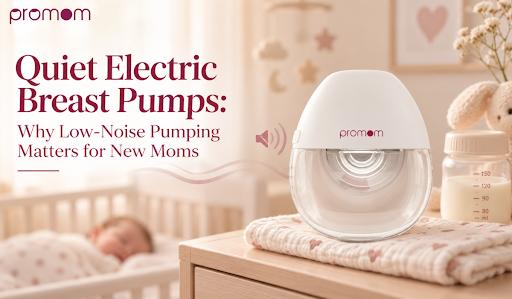
Wearable breast pumps can be installed in a bra to allow them to pump quietly and perform other tasks. They are extremely convenient for active mothers but can be costly and fail to offer the same suction as traditional electric pumps.
Key Features to Consider
When selecting a breast pump, keep the following features in mind:
-
Comfort: Look for soft silicone flanges and adjustable suction levels to prevent nipple discomfort.
-
Efficiency: Double pumping options and adjustable speed settings can save time.
-
Portability: If you travel or work outside the home, consider a lightweight or battery-operated pump.
-
Ease of Cleaning: Pumps with fewer parts are easier to clean and maintain.
-
Noise Level: Quiet pumps are ideal for nighttime pumping without disturbing your baby.
Tips for Effective Pumping
-
Establish a Routine: Pump at consistent times to maintain milk supply.
-
Stay Hydrated and Rested: Adequate water and sleep enhance milk production.
-
Store Milk Properly: Use sterilized bottles or bags and label with dates.
-
Relax: Stress can reduce milk let-down; try soothing music or deep breathing while pumping.
Final Thoughts
The correct breast pump will help in a smooth postpartum process and help newborns recover. Regardless of whether it's the first time for the mum or she's juggling between breastfeeding and work, the appropriate pump can keep milk flowing, offer flexibility and ensure that the baby gets the best milk to drink.
It is an investment in your health and the well-being of your newborn baby when you invest in a high-quality breast pump. Different types are available for different lifestyles, and you can choose a pump that fits right in regard to comfort, efficiency, and convenience. Consider Promom as a reliable and quality breast pump brand, which simplifies and makes feeding newborns much more comfortable.